


WARNING: The information in this section is meant as a general guide to help parents and caregivers with common issues and is not intended to replace the care provided by your child’s healthcare team. 

Discuss your child’s unique needs with your healthcare team, including WHO and WHEN to contact when problems arise.


Fever with or without general malaise: (≥ 38⁰C rectal or ≥ 37.5⁰C oral/armpit)

General irritability, poor appetite, fatigue or wanting to sleep more than usual (lethargy)

One or more of these symptoms: decreased urination - increased thirst - dry lips and mouth - faster heart rate than usual - weight loss

Skin protector does not stick properly to the skin

Detachment of the bag
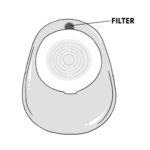
Unpleasant odors
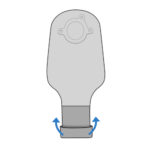
Irritated skin around the stoma: red, swollen, burning, presence of small red bumps, small wounds or slight bleeding

Bleeding from the stoma

Movement of the stoma: sinks inward or sticks out by more than 0.5 centimeters from its usual position

Watery stool

Constipation

Do not hesitate to refer to your healthcare team for any questions or specific advice related to your child’s condition.

When to consult your healthcare team

General state of health

When your child has any of the following symptoms:

  • Fever (≥ 38oC rectal or ≥ 37.5oC oral or ≥ 37.5 o C armpit).
  • General irritability, poor appetite, fatigue or wanting to sleep more than usual (lethargy).
  • Signs and/or symptoms of dehydration:
    • Decreased urination
    • Increased thirst
    • Dry lips and mouth
    • Faster heart rate than usual
    • Weight loss
  • Nausea, vomiting or unexplained pain.
  • Abdominal pain or swelling.

Equipment

  • You are having difficulties with the equipment.
  • There is ongoing leakage.

Skin around the stoma

  • The skin is irritated (eg, redness, swelling, red bumps, small injuries, burning), and you have not been able to resolve the problem.

Stoma

  • The stoma changes color for more than a few minutes.
  • The stoma has sunk in or sticks out more than 0.5 cm from its usual position.
  • There is significant bleeding (more than a few drops).

Stool

  • The amount of stool has increased or decreased more than usual, for more than a day and for no apparent reason.
  • Your child has persistent diarrhea (more water loss in the stool).

Do not hesitate to refer to your healthcare team for any questions or specific advice related to your child’s condition.